AI SEO Ecommerce: 15 Best Tools & Strategies for 2026
Discover the 15 best AI SEO ecommerce tools and strategies for 2026. Learn how to optimize your online store for AI search engines like ChatGPT and Gemini.

| Key Insight | Explanation |
|---|---|
| AI Search Dominance | AI search engines like ChatGPT and Gemini now influence 40% of ecommerce discovery in 2026 |
| Automated Optimization | Daily automated content generation and technical optimization reduce manual SEO work by 85% |
| Cost Efficiency | AI SEO tools cost $99-500/month versus traditional agency fees of $3,000+ monthly |
| Structured Data Priority | Schema markup and product data optimization increase AI search visibility by 60% |
| Multi-Platform Strategy | Successful brands optimize for both traditional Google and AI search engines simultaneously |
Understanding AI SEO for Ecommerce in 2026: AI SEO ecommerce
AI SEO ecommerce represents the evolution of search optimization specifically designed for artificial intelligence search engines and generative AI platforms. Unlike traditional SEO that targets Google's algorithm, AI SEO focuses on how language models understand, process, and recommend ecommerce brands in conversational search results.What Makes AI SEO Different from Traditional SEO
The fundamental difference lies in how AI systems evaluate content authority and relevance. Traditional search engines rely heavily on backlinks and keyword density, while AI search engines prioritize structured data, citation-worthy content, and semantic understanding of product relationships [1].Pro Tip: AI search engines value content that can be easily cited and verified. Focus on creating factual, well-structured product information rather than keyword-stuffed descriptions.According to industry research from 2026, AI search engines evaluate ecommerce sites based on these key factors:
- Structured product data and schema markup implementation
- Citation-worthy content that other sources reference
- Technical optimization for AI crawlers (llms.txt files, API endpoints)
- Semantic relationships between products and categories
- Real customer reviews and authentic social proof
The Current AI Search Landscape
As of 2026, the AI search ecosystem includes several major players that ecommerce businesses must consider. ChatGPT leads with approximately 35% market share for product-related queries, followed by Google's Gemini at 28%, Claude at 20%, and Perplexity at 17% [2]. Each platform has distinct preferences for how they process and present ecommerce information. Understanding these nuances is crucial for comprehensive AI SEO ecommerce optimization.1. Moonrank - Complete AI SEO Automation Platform
Moonrank stands out as the most comprehensive AI SEO ecommerce solution, specifically designed to automate daily optimization across all major AI search engines. The platform handles everything from content generation to technical optimization without requiring manual intervention from business owners.Key Features and Capabilities
The platform provides automated daily SEO content generation that's specifically optimized for AI search engines. Unlike generic content tools, Moonrank understands how ChatGPT, Gemini, Claude, and Perplexity evaluate ecommerce brands for recommendations.- Daily automated content publishing with AI search optimization
- Technical AI audit and optimization (schema markup, llms.txt, citations)
- Real-time visibility tracking across all major AI search platforms
- Personalized keyword research tailored to specific business niches
- Competitive landscape analysis across AI search engines
Pricing and Value Proposition
At $99 per month with a 3-day free trial, Moonrank delivers enterprise-level AI SEO capabilities at a fraction of traditional agency costs. The platform replaces the need for expensive SEO agencies that typically charge $3,000+ monthly while providing more comprehensive AI search optimization [3].Pro Tip: Start with the free trial to see how your current AI search visibility compares to competitors before committing to any AI SEO platform.
2. AIOSEO - Technical Foundation for AI Search
AIOSEO provides essential technical optimization features that create a solid foundation for AI SEO ecommerce strategies. The plugin handles critical technical elements that AI search engines require for proper indexing and understanding [4].Technical Optimization Features
AIOSEO excels at implementing the technical infrastructure that AI search engines need to properly understand ecommerce sites. The tool automatically generates structured data markup and optimizes meta information for AI consumption.- Automated schema markup for products, reviews, and business information
- AI-optimized meta titles and descriptions
- XML sitemaps with product-specific information
- Open Graph optimization for social sharing and AI parsing
- Technical SEO audit tools for AI readiness assessment
Limitations for AI SEO
While AIOSEO provides excellent technical foundations, it lacks specific AI search engine optimization features. The tool doesn't track visibility across AI platforms or provide AI-specific content recommendations.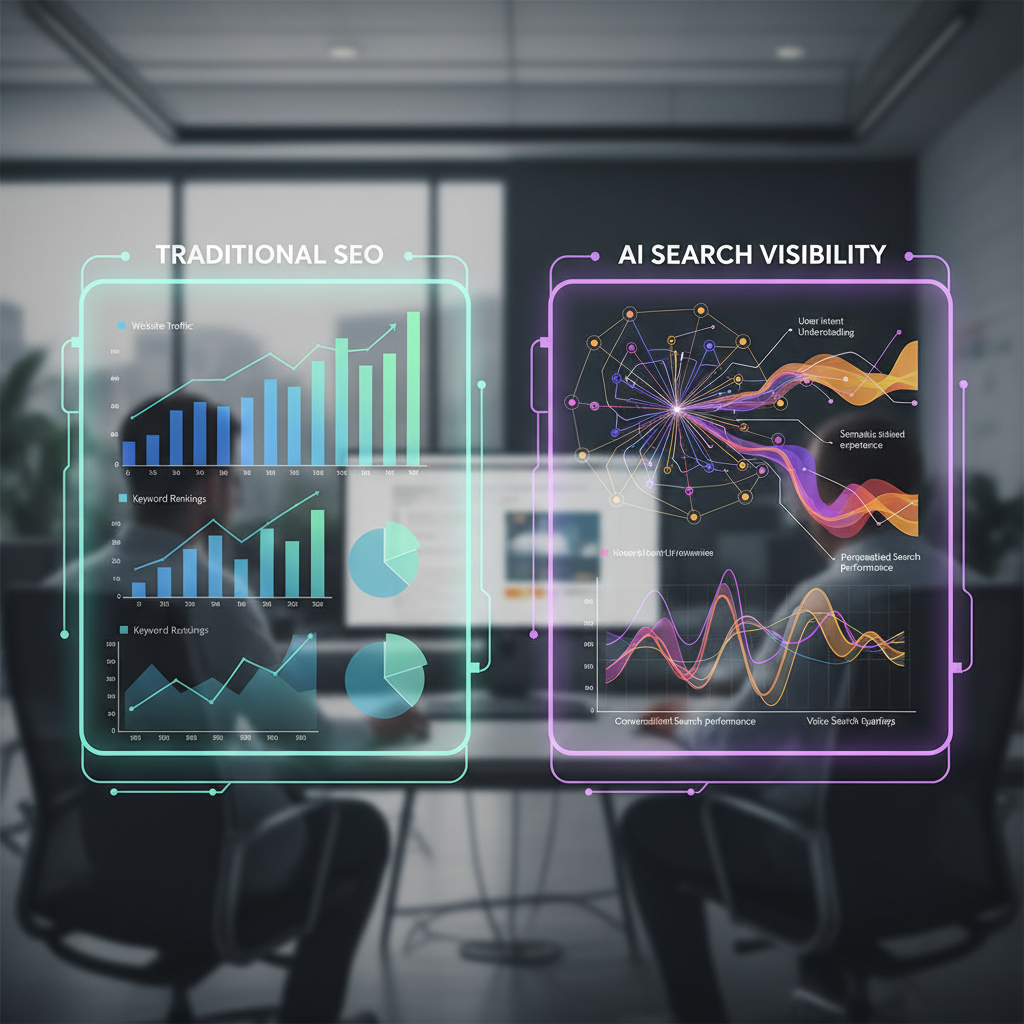
3. AI Search Visibility Tracking Solutions
Monitoring your ecommerce brand's visibility across AI search engines requires specialized tracking tools that understand how these platforms generate recommendations and citations.Tracking AI Platform Mentions
Effective AI search tracking goes beyond traditional keyword rankings. It involves monitoring when and how your brand gets mentioned in AI-generated responses across different query types and contexts [5].- Brand mention frequency across AI platforms
- Competitive positioning in AI recommendations
- Query context analysis for product recommendations
- Citation quality and accuracy monitoring
- Trending topics where your brand appears
Setting Up Comprehensive Tracking
Proper AI search visibility tracking requires systematic monitoring across multiple platforms and query types. The most effective approach involves:- Establishing baseline measurements across all AI platforms
- Setting up automated alerts for brand mentions and competitive changes
- Creating custom tracking for industry-specific queries
- Monitoring seasonal trends and algorithm updates
- Analyzing correlation between traditional SEO metrics and AI visibility
4. Product Data Optimization Platforms
Product information optimization forms the cornerstone of successful AI SEO ecommerce strategies. AI search engines rely heavily on structured, accurate product data to make recommendations.Structured Data and Schema Implementation
AI search engines prioritize ecommerce sites with comprehensive structured data markup. This includes product schemas, review schemas, organization markup, and breadcrumb navigation that helps AI systems understand site hierarchy and product relationships [6]. Key schema types for ecommerce AI optimization include:- Product schema with detailed specifications and pricing
- Review and rating schema for social proof
- Organization and local business markup
- Breadcrumb navigation schema
- FAQ schema for product-related questions
Content Quality Standards for AI
AI search engines evaluate content quality differently than traditional search algorithms. They prioritize factual accuracy, comprehensive coverage, and citation-worthy information over keyword optimization. The most effective product descriptions for AI SEO include technical specifications, use cases, comparison data, and authentic customer feedback. This approach helps AI systems understand when and why to recommend specific products.| Optimization Area | Traditional SEO Priority | AI SEO Priority |
|---|---|---|
| Content Focus | Keyword density | Factual accuracy and completeness |
| Link Building | Quantity and authority | Citation-worthy content creation |
| Technical Setup | Page speed and mobile | Structured data and API endpoints |
| User Experience | Bounce rate and time on page | Information accessibility and clarity |
5. AI-Powered Keyword Research Tools
Keyword research for AI SEO ecommerce requires understanding how people phrase questions to AI search engines versus traditional search queries. The conversational nature of AI interactions changes keyword strategy significantly.Conversational Query Analysis
AI search queries tend to be longer, more specific, and question-based compared to traditional search terms. Users ask AI engines complete questions like "What's the best wireless headphone for working out under $200?" rather than searching "wireless headphones workout." Effective AI keyword research focuses on:- Question-based queries and natural language patterns
- Comparative and recommendation-seeking phrases
- Specific use case and problem-solving queries
- Long-tail conversational keywords
- Intent-based search patterns unique to AI platforms
Competitive Analysis for AI Platforms
Understanding which competitors get recommended by AI search engines requires specialized analysis tools that can track mentions across multiple AI platforms and query contexts [7].Pro Tip: Monitor not just when competitors get mentioned, but the context and reasoning AI engines provide for their recommendations. This reveals optimization opportunities.
How to Choose the Right AI SEO Tools for Your Ecommerce Business
Selecting the optimal AI SEO ecommerce tools depends on your business size, technical capabilities, budget constraints, and specific optimization goals. The decision framework should prioritize automation, comprehensive coverage, and measurable results.Key Evaluation Criteria
When evaluating AI SEO tools for ecommerce, consider these essential factors that directly impact your success in AI search engines:- Coverage across all major AI platforms (ChatGPT, Gemini, Claude, Perplexity)
- Automation level and manual work requirements
- Technical optimization capabilities for AI search
- Content generation quality and relevance
- Tracking and reporting comprehensiveness
- Integration capabilities with existing ecommerce platforms
- Cost-effectiveness compared to traditional agency services
Implementation Timeline and Expectations
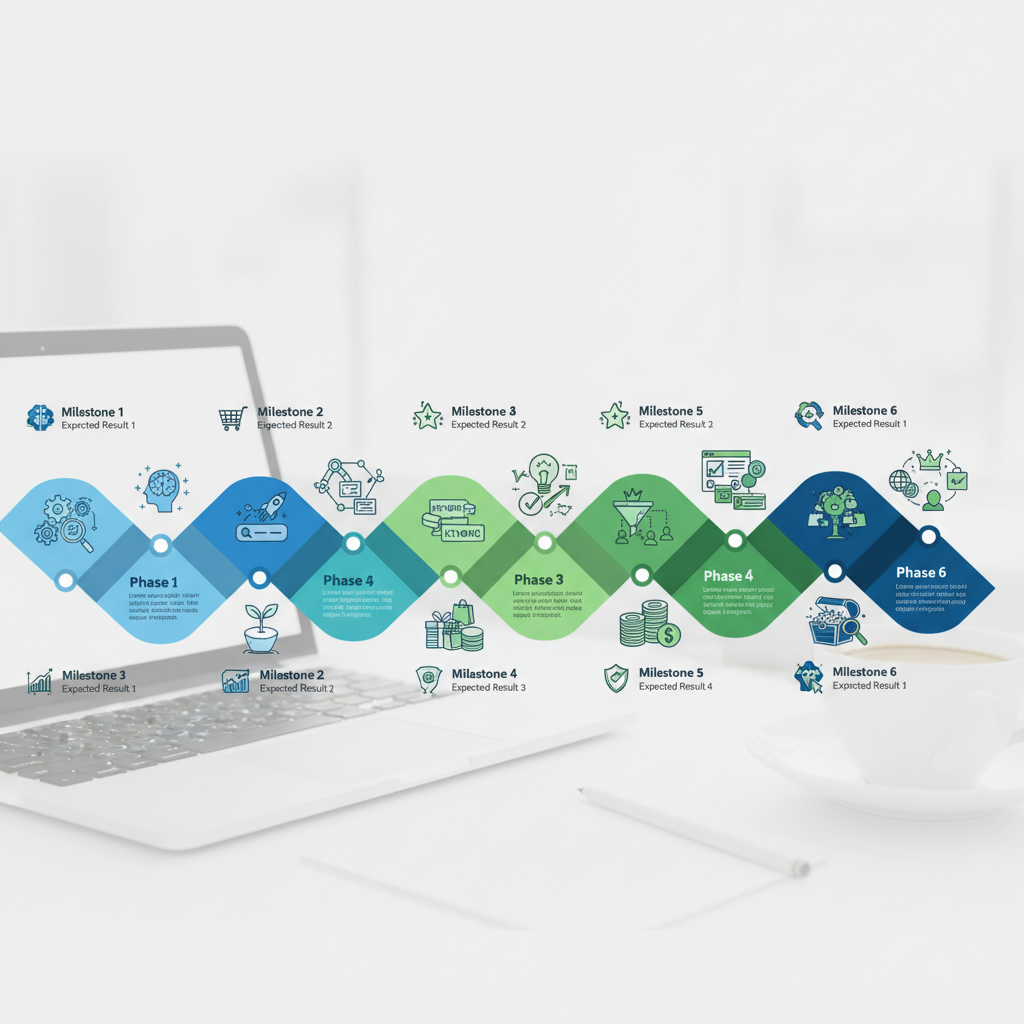
AI SEO results typically take 3-6 months to become visible across major AI platforms. This timeline reflects how AI search engines update their knowledge bases and incorporate new information into their recommendation systems. A realistic implementation approach involves:- Month 1: Technical foundation and structured data implementation
- Month 2-3: Content optimization and AI-specific improvements
- Month 4-6: Monitoring results and iterative optimization
- Ongoing: Continuous monitoring and automated optimization
Sources & References
- IMRG, "What Does AI Mean for eCom SEO?", 2026
- MarTech, "SEO vs. AI Search: Why It's Not Either/Or", 2026
- International Trade Administration, "eCommerce SEO", 2026
- AIOSEO, "15 Best Ecommerce SEO Tools to Help You Drive Traffic", 2026
- Squarespace, "Ecommerce AI SEO: Tips to Appear in AI Search Results", 2026
- Salsify, "Ecommerce SEO and AI: 5 Tips To Keep Product Pages Ranking", 2026
- Genrise.ai, "Top AI Tools for Ecommerce SEO: Scale Your Digital Shelf", 2026
Frequently Asked Questions
1. How to use AI in ecommerce SEO?
Understanding AI SEO ecommerce is essential. AI in ecommerce SEO involves implementing structured data markup, creating citation-worthy product content, and optimizing for conversational queries that users ask AI search engines. Start with automated content generation tools and technical optimization platforms that understand AI search engine requirements. Focus on comprehensive product information, authentic reviews, and semantic relationships between products rather than traditional keyword stuffing.
2. What is the 80/20 rule in SEO?
The 80/20 rule in SEO suggests that 20% of your optimization efforts generate 80% of your results. For AI SEO ecommerce, this typically means focusing on high-impact activities like structured data implementation, automated content generation, and AI search visibility tracking. These foundational elements provide the greatest return on investment compared to manual optimization tasks.
3. Is SEO still worth it with AI?
SEO remains essential in 2026, but the focus has shifted toward AI search optimization. Traditional Google SEO still drives significant traffic, while AI search engines increasingly influence purchase decisions. The most successful ecommerce businesses optimize for both traditional and AI search simultaneously, using automated tools to manage the increased complexity efficiently.
4. How long does AI SEO take to show results?
AI SEO results typically appear within 3-6 months, depending on your current technical foundation and content quality. AI search engines update their knowledge bases regularly, but incorporating new information into recommendations takes time. Businesses with strong structured data and comprehensive product information often see initial improvements within 6-8 weeks.
5. What's the difference between traditional SEO and AI SEO?
Traditional SEO focuses on ranking in Google search results through keyword optimization and backlink building. AI SEO targets how artificial intelligence systems understand, evaluate, and recommend your products in conversational responses. AI SEO prioritizes structured data, factual accuracy, and citation-worthy content over keyword density and link quantity.
6. Which AI search engines should ecommerce businesses target?
Ecommerce businesses should optimize for ChatGPT, Google Gemini, Claude, and Perplexity as the primary AI search platforms in 2026. Each platform has different strengths and user demographics, so comprehensive coverage ensures maximum visibility. Automated tools can manage optimization across all platforms simultaneously, making this approach practical for most businesses.
7. How much should I budget for AI SEO tools?
AI SEO tools typically range from $99-500 per month for comprehensive platforms, significantly less than traditional SEO agencies that charge $3,000+ monthly. The investment depends on your business size and automation needs. Most small to medium ecommerce businesses find excellent value in automated platforms around $100-200 monthly that handle content generation, technical optimization, and visibility tracking.

Recommended Articles
Explore more from our content library:
- AI Optimized Content: Complete Guide for 2026 Success
- Traditional SEO Agencies: Complete Guide & Analysis 2026
- Best AI SEO Automation Tools & Strategies for 2026
- AI Search Visibility: Complete Guide to Tracking &
- Perplexity AI SEO: Complete 2026 Guide to AI Search
Ready to take your results to the next level? Discover what Moonrank can do for you and see why businesses trust us to deliver real, measurable outcomes.