Best Technical SEO Tools for 2026: Complete Guide
Discover the top technical SEO tools for 2026. Compare features, pricing, and capabilities to optimize your website's performance and search rankings.
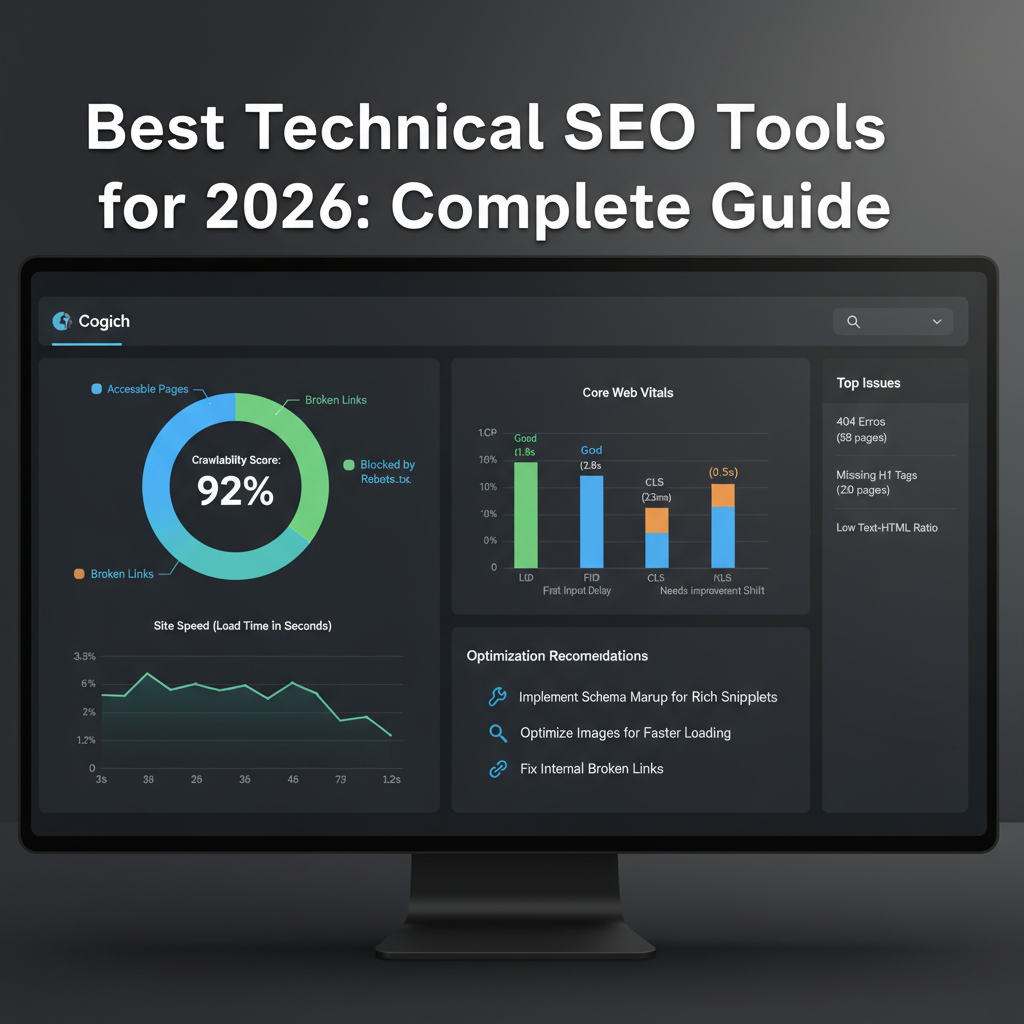
| Key Insight | Explanation |
|---|---|
| AI-Powered Analysis | 2026's top technical SEO tools leverage AI to identify optimization opportunities faster than manual audits |
| Real-Time Monitoring | Modern tools provide continuous website health monitoring instead of periodic snapshots |
| Integrated Workflows | Leading platforms combine crawling, auditing, and optimization in unified dashboards |
| Core Web Vitals Focus | All major tools now prioritize page experience metrics as ranking factors |
| Mobile-First Indexing | Tools emphasize mobile performance optimization as Google's primary ranking signal |
Introduction
Technical SEO tools have become essential for maintaining website health and search engine visibility in 2026. These specialized platforms help identify crawling issues, optimize page speed, fix structured data problems, and ensure your site meets Google's latest ranking requirements. With search algorithms becoming increasingly sophisticated, manual technical audits simply can't keep pace with the complexity of modern websites. The technical SEO tools landscape has evolved dramatically, with AI-powered analysis, real-time monitoring, and integrated optimization workflows now standard features. Whether you're managing a small business website or enterprise-level infrastructure, choosing the right combination of tools can mean the difference between ranking on page one or getting lost in search results. This comprehensive guide evaluates the top technical SEO tools based on functionality, ease of use, pricing, and effectiveness in solving real-world optimization challenges. We'll examine both free and premium options, helping you build a toolkit that matches your specific needs and budget constraints.1. Screaming Frog SEO Spider
Screaming Frog SEO Spider remains the gold standard for website crawling and technical analysis among SEO professionals. This desktop application crawls websites like search engines do, identifying broken links, duplicate content, missing meta descriptions, and redirect chains with unmatched precision. The free version handles up to 500 URLs, making it accessible for small websites, while the paid version removes crawl limits and adds advanced features. ### Key Features and Capabilities- Comprehensive crawl data including response codes, page titles, meta descriptions, and heading structures
- Custom extraction capabilities using CSS selectors, XPath, and regex patterns
- Integration with Google Analytics, Google Search Console, and PageSpeed Insights APIs
- JavaScript rendering for modern web applications and single-page applications
- Bulk export functionality for large-scale data analysis and reporting
Pro Tip: Use custom extraction to pull specific data points like schema markup or internal linking patterns. This feature transforms Screaming Frog from a basic crawler into a powerful data mining tool.Industry analysts consistently rank Screaming Frog among the most essential technical SEO tools, with over 85% of SEO professionals using it regularly according to recent surveys [1]. The tool's ability to process JavaScript-heavy sites has improved significantly, making it suitable for modern web applications that rely heavily on client-side rendering.
2. Google Search Console
Google Search Console serves as the official communication channel between your website and Google's search infrastructure. This free platform provides direct insights into how Google crawls, indexes, and ranks your pages, making it an indispensable technical SEO tool for 2026. Recent updates have enhanced mobile usability reporting and Core Web Vitals monitoring, reflecting Google's continued emphasis on user experience signals. ### Essential Monitoring Capabilities- Index coverage reports showing crawl errors, excluded pages, and indexing status
- Core Web Vitals data for page experience optimization
- Mobile usability issues and AMP validation errors
- Security issue alerts including malware and hacking attempts
- Manual action notifications and penalty recovery guidance
Pro Tip: Set up email alerts for critical issues like index coverage problems or security threats. This proactive monitoring helps you address technical problems before they impact search rankings.Research from technical SEO experts indicates that websites actively monitored through Search Console recover from technical issues 40% faster than those relying solely on third-party tools [2]. The platform's direct connection to Google's systems provides unmatched accuracy for diagnosing crawling and indexing problems.
3. Semrush Site Audit
Semrush Site Audit combines comprehensive crawling capabilities with actionable optimization recommendations in a user-friendly interface. The platform's AI-powered analysis prioritizes issues by potential impact, helping teams focus on improvements that deliver the biggest SEO gains. As of 2026, Semrush has enhanced its technical auditing with machine learning algorithms that adapt recommendations based on your site's specific characteristics and industry benchmarks. ### Comprehensive Analysis Framework- Over 130 technical SEO checks covering crawlability, site performance, and HTTPS implementation
- Automated issue prioritization based on potential traffic impact
- Historical tracking to monitor improvement progress over time
- White-label reporting capabilities for agencies and consultants
- API access for custom integrations and automated monitoring workflows
| Feature | Free Version | Pro ($119/month) |
|---|---|---|
| Pages Crawled | 100 pages | 100,000 pages |
| Technical Checks | Limited | 130+ checks |
| Historical Data | 30 days | 2 years |
4. Ahrefs Site Audit
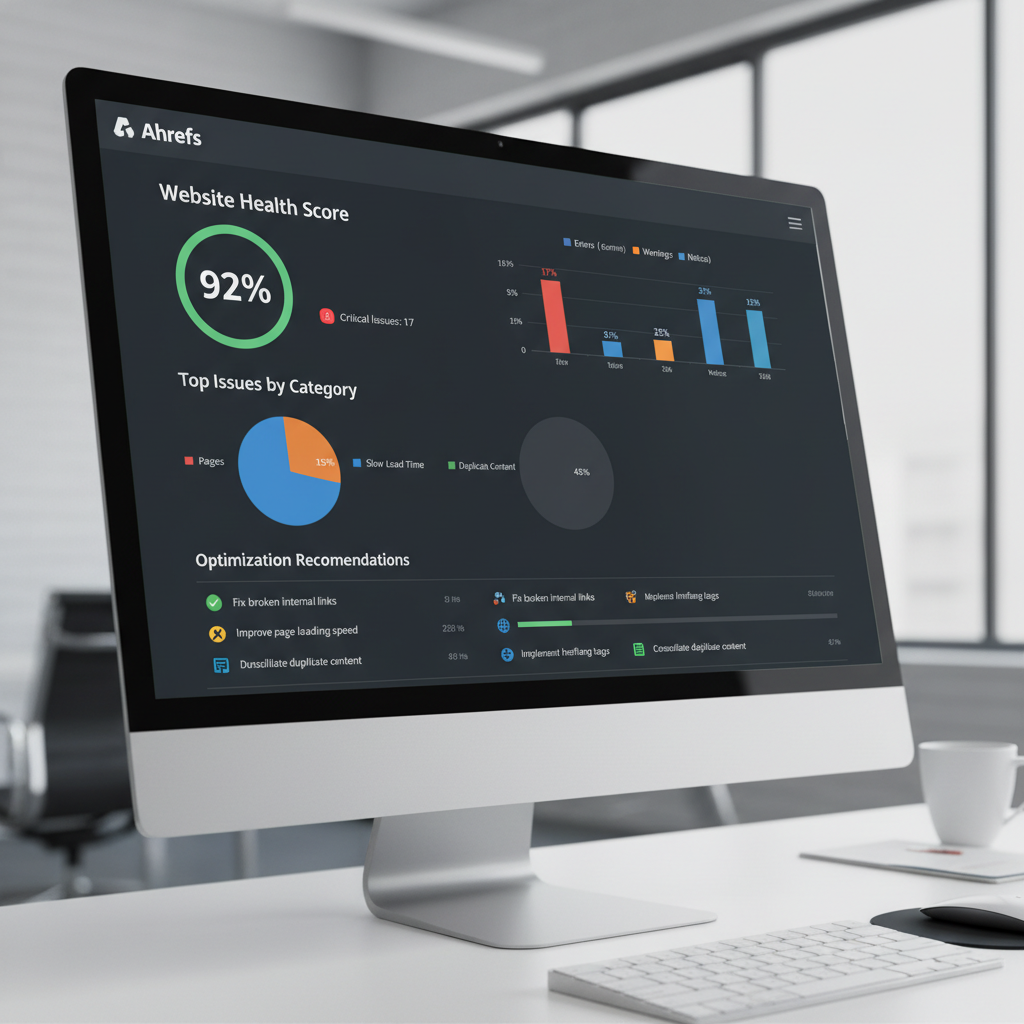
Ahrefs Site Audit stands out for its clean interface and practical approach to technical SEO analysis. The platform excels at identifying issues that directly impact search engine crawling and user experience, with less emphasis on minor technical details that rarely affect rankings. Recent enhancements include improved Core Web Vitals monitoring and enhanced duplicate content detection algorithms. ### Streamlined Issue Detection- Health score calculation based on weighted issue severity
- Visual crawl path analysis showing how search engines navigate your site
- Comprehensive redirect chain mapping and loop detection
- Advanced duplicate content identification using content fingerprinting
- Integration with Ahrefs' backlink data for holistic SEO analysis
5. Sitebulb
Sitebulb represents the next generation of technical SEO tools, combining powerful crawling capabilities with intuitive data visualization and intelligent issue prioritization. Launched specifically to address the limitations of older crawling tools, Sitebulb excels at making complex technical data accessible to both technical and non-technical users. The platform's unique approach to data presentation has earned recognition from leading SEO practitioners worldwide. ### Advanced Visualization and Analysis- Interactive site architecture visualization showing internal linking patterns
- Automated hint system providing contextual optimization suggestions
- Custom audit configurations for specific website types and industries
- Comprehensive JavaScript rendering with Chrome browser engine
- Advanced filtering and segmentation capabilities for large datasets
Pro Tip: Use Sitebulb's site architecture visualization to identify orphaned pages and improve internal linking structure. This visual approach often reveals optimization opportunities that traditional crawl data misses.Technical SEO consultants report that Sitebulb's visualization features help clients understand complex technical concepts more effectively than traditional audit reports, leading to faster implementation of recommended improvements [5]. The platform's modern interface and thoughtful user experience design set new standards for technical SEO tool usability.
6. DeepCrawl
DeepCrawl (now part of Lumar) specializes in enterprise-level technical SEO monitoring with advanced automation and integration capabilities. The platform excels at handling large websites with millions of pages, providing continuous monitoring rather than periodic audits. Recent platform updates have enhanced machine learning capabilities for predictive issue detection and automated optimization recommendations. ### Enterprise-Scale Capabilities- Unlimited crawl depth and page volume handling
- Real-time change detection and alert systems
- Advanced API integration for custom workflows and reporting
- Multi-domain management with centralized dashboard control
- Automated testing environments for staging site validation
7. WebPageTest
WebPageTest provides detailed page speed analysis and performance optimization insights that directly impact technical SEO success. This free tool offers enterprise-level testing capabilities, including multi-location testing, connection throttling, and comprehensive waterfall analysis. As Core Web Vitals become increasingly important ranking factors, WebPageTest's detailed performance metrics provide essential optimization guidance. ### Comprehensive Performance Analysis- Real browser testing from multiple global locations
- Detailed resource loading analysis with optimization suggestions
- Core Web Vitals measurement with historical tracking
- Advanced testing scenarios including repeat visits and different connection speeds
- API access for automated performance monitoring
8. Google PageSpeed Insights
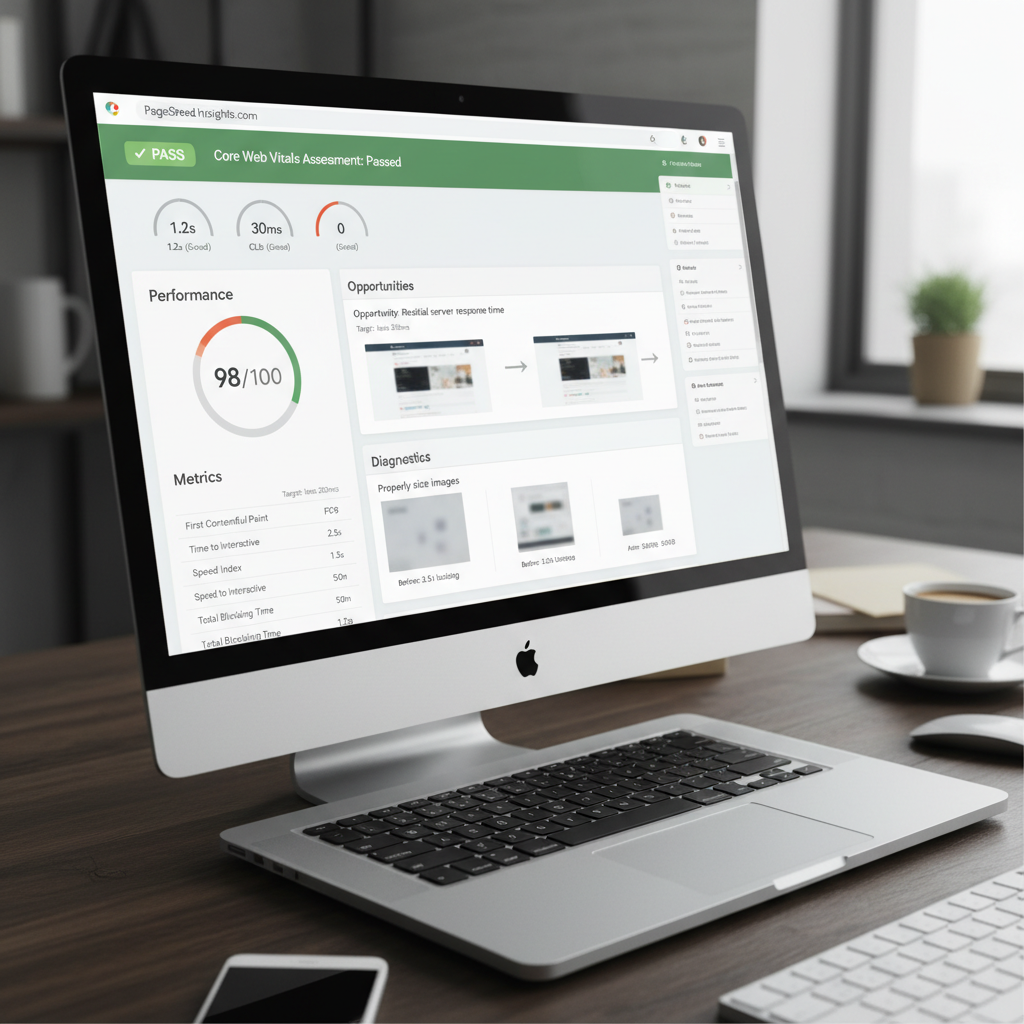
Google PageSpeed Insights serves as the authoritative source for Core Web Vitals data and page experience optimization guidance. The tool analyzes both lab and field data to provide comprehensive performance insights directly from Google's perspective. Recent updates have enhanced mobile performance analysis and expanded the range of optimization recommendations based on real user experience data. ### Core Web Vitals Focus- Real user experience data from Chrome User Experience Report
- Detailed Core Web Vitals analysis with specific improvement suggestions
- Mobile and desktop performance comparison
- Integration with other Google tools including Search Console
- Automated suggestions based on modern web development best practices
9. GTmetrix
GTmetrix combines Google PageSpeed Insights and YSlow analysis with additional performance monitoring features, providing comprehensive page speed optimization guidance. The platform excels at historical performance tracking and offers detailed waterfall analysis for identifying specific optimization opportunities. Recent updates have enhanced Core Web Vitals reporting and added new mobile performance testing capabilities. ### Enhanced Performance Monitoring- Historical performance tracking with trend analysis
- Detailed waterfall charts showing resource loading patterns
- Video capture of page loading process for visual optimization insights
- Automated testing schedules with alert notifications
- White-label reporting for agencies and consultants
10. Yoast SEO
Yoast SEO brings technical SEO optimization directly into the WordPress content management workflow, making advanced optimization accessible to content creators and website administrators. The plugin handles essential technical SEO tasks automatically while providing guidance for manual optimization opportunities. Recent updates have enhanced schema markup capabilities and improved integration with Google's latest algorithm requirements. ### WordPress-Specific Optimization- Automated XML sitemap generation with smart exclusion rules
- Schema markup implementation for rich snippets and enhanced search results
- Breadcrumb navigation optimization for improved site architecture
- Social media meta tag management for enhanced social sharing
- Integration with popular WordPress plugins and themes
Pro Tip: Use Yoast's schema markup features to implement structured data for local businesses, products, and articles. This automated approach ensures consistent implementation across your entire WordPress site.
How to Choose the Right Technical SEO Tools
Selecting the optimal technical SEO tools requires careful consideration of your specific needs, technical expertise, and budget constraints. The right combination depends on factors including website size, complexity, team structure, and optimization goals. Understanding these key decision criteria helps build a toolkit that maximizes efficiency while staying within budget limitations. ### Website Size and Complexity Considerations- Small websites (under 1,000 pages): Free tools like Google Search Console and Screaming Frog's free version often provide sufficient coverage
- Medium websites (1,000-50,000 pages): Paid crawling tools like Sitebulb or Semrush Site Audit become necessary for comprehensive analysis
- Large websites (over 50,000 pages): Enterprise solutions like DeepCrawl or Botify provide the scalability and automation required
- E-commerce sites: Specialized tools focusing on product page optimization and structured data become essential
| Tool Category | Best For | Price Range |
|---|---|---|
| Free Crawlers | Small sites, learning, basic audits | $0 |
| Premium Crawlers | Medium sites, detailed analysis | $100-500/month |
| Enterprise Platforms | Large sites, automation, teams | $500-2000+/month |
Frequently Asked Questions
1. What tools are best for technical SEO?
The best technical SEO tools combine comprehensive crawling capabilities with actionable optimization guidance. Google Search Console provides essential free monitoring, while Screaming Frog excels at detailed site analysis. Premium options like Semrush Site Audit and Sitebulb offer advanced features for larger websites and teams requiring detailed reporting and collaboration features.
2. What is technical SEO?
Technical SEO involves optimizing website infrastructure and backend elements to improve search engine crawling, indexing, and ranking capabilities. This includes site speed optimization, mobile responsiveness, structured data implementation, XML sitemaps, and fixing crawl errors. Technical SEO ensures search engines can efficiently access and understand your website content.
3. What are SEO tools and techniques?
SEO tools are software platforms that analyze website performance, identify optimization opportunities, and track search engine rankings. These tools combine with techniques like keyword research, content optimization, link building, and technical improvements to enhance search visibility. Modern SEO tools increasingly use AI and machine learning to provide more accurate insights and automated recommendations.
4. How often should I run technical SEO audits?
Technical SEO audits should be conducted monthly for active websites, with continuous monitoring for critical issues like crawl errors and site speed problems. Large websites or those undergoing frequent updates may require weekly audits. Automated monitoring tools can provide real-time alerts for urgent technical issues that require immediate attention.
5. Can free technical SEO tools provide adequate analysis?
Free tools like Google Search Console and Screaming Frog's basic version provide excellent starting points for technical SEO analysis. However, larger websites and comprehensive optimization strategies typically require premium tools for advanced features like unlimited crawling, historical data, and detailed reporting capabilities. The key is matching tool capabilities to your specific needs and budget.
6. What technical SEO issues should I prioritize first?
Prioritize technical issues that directly impact user experience and search engine crawling: site speed optimization, mobile responsiveness, fixing broken links, and resolving crawl errors. Core Web Vitals improvements should take precedence as they directly influence search rankings. Address security issues and duplicate content problems next, followed by structured data optimization for enhanced search results.
Sources & References
- Search Engine Journal, "20 Essential Technical SEO Tools For Agencies", 2026
- TechnicalSEO.com, "SEO Tools & Insights", 2026
- Semrush, "Technical SEO Tools", 2026
- AIOSEO, "9 Best Technical SEO Tools [Backed by 7+ Years Experience]", 2026
- Click Intelligence, "13 Technical SEO Tools You Need To Be Using", 2026
- The HOTH, "14 Technical SEO Tools You Need to Start Using", 2026
- Zapier, "The 11 best SEO tools", 2026

Conclusion
The landscape of technical SEO tools continues evolving rapidly in 2026, with AI-powered analysis, real-time monitoring, and integrated optimization workflows becoming standard features. Success requires selecting tools that match your specific website needs, team expertise, and budget constraints rather than chasing the most comprehensive or expensive options. The most effective technical SEO strategies combine multiple specialized tools, leveraging free platforms like Google Search Console for essential monitoring while investing in premium solutions for advanced analysis and automation. This balanced approach maximizes optimization impact while maintaining cost efficiency.
Recommended Articles
Explore more from our content library: